

You've Been Wearing the Wrong Sports Bra Your Entire Life — Here's How to Fix It
Most women have never been properly fitted for a bra. The numbers are staggering — and the consequences go well beyond discomfort.
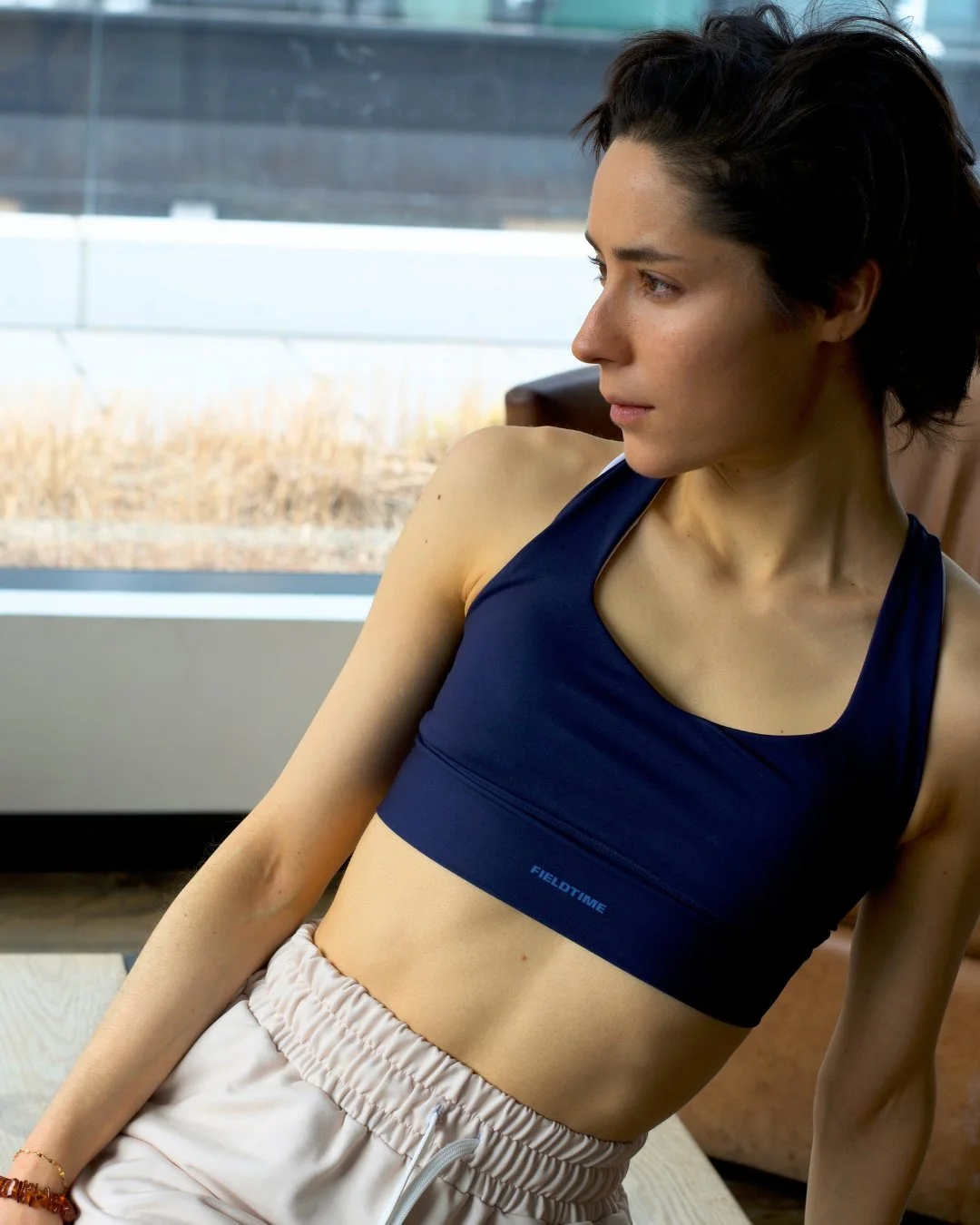
Model size - Small (Navy/Kasmir Longline Sports Bra)
Here's a number that might stop you mid-scroll: studies suggest that somewhere between 50 and 85 percent of women are wearing the wrong bra size Texas A&M University — and that figure climbs even higher when it comes to sports bras specifically. Over 90 percent of people are wearing the wrong bra size for training. adidas US That means the bra you've been pulling on before every workout, every run, every lifting session — it's very likely not doing what you think it's doing.
This isn't a vanity issue. It's a performance issue. And for a lot of women, it's also a health issue they've been quietly tolerating for years.
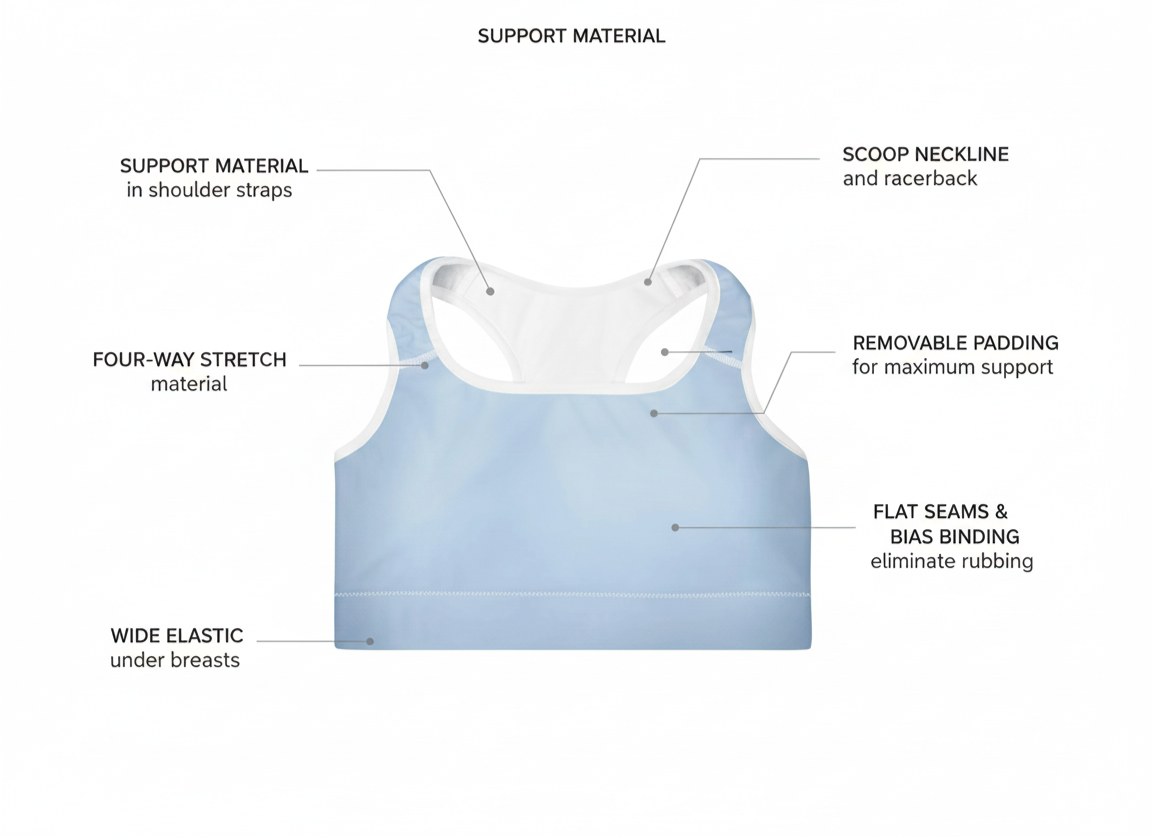
FIELDTIME French blue sports bra with removable padding
Why So Many Women Get It Wrong
The root of the problem is a sizing system that was never designed to be intuitive. Bra sizes are not standardized because they are the intellectual property of a brand HuffPost — meaning a 34C in one label can fit completely differently from a 34C in another. Add to that the fact that breast size fluctuates throughout a woman's lifetime, and for some women, even throughout their menstrual cycle, HuffPost and you've got a recipe for widespread confusion.
Most women learn their bra size once — usually as a teenager — and carry that number through decades of body changes, pregnancies, and weight fluctuations without ever questioning it. Any time a woman gains or loses weight or goes through a life change such as pregnancy or menopause, it's time to reassess bra fit. HuffPost Most never do.
What a Wrong-Fitting Sports Bra Actually Does to Your Workout
A poorly fitting sports bra doesn't just feel annoying — it actively undermines your performance. A sports bra is specifically designed to deliver proper support and comfort during your workout, and we can't put up our best performance if we're distracted by the wrong bra. Title Nine
The physical consequences are real. The unique motion of running causes breasts to move in a figure-eight motion, sometimes up and down as much as eight inches, putting Cooper's ligaments — the connective tissues that help support your breasts — under enormous strain. Runners Need Without proper support, that strain compounds over time. An ill-fitting sports bra is more than just uncomfortable — it can reduce performance, cause chafing, and even lead to long-term breast tissue strain. Olaben
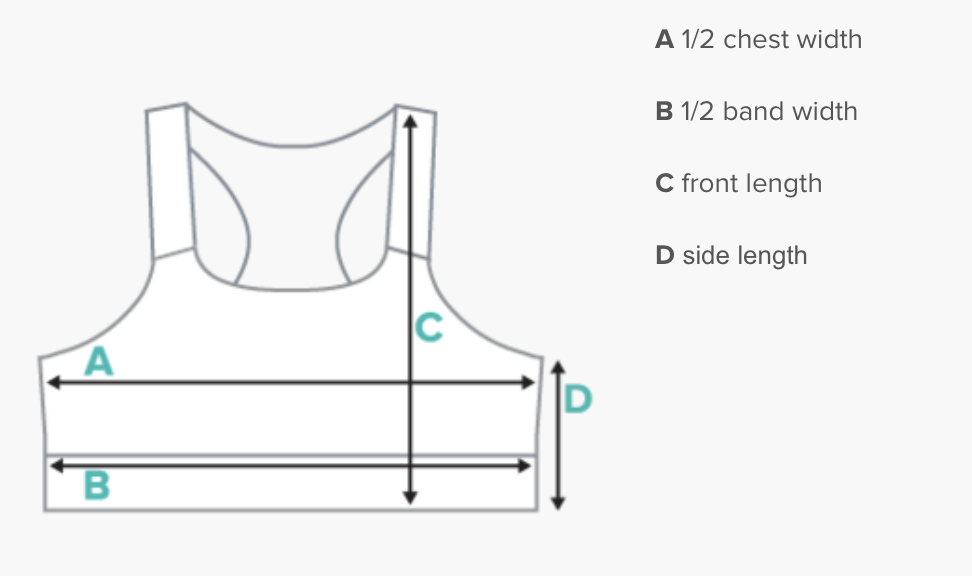
FIELDTIME sports bra with removable padding sizing guide 1
There's also a breathing component most women never consider. Research has shown that respiratory function may become compromised by the pressure exerted by the underband of a sports bra when women self-select their bra size. Newsweek In other words, a bra that feels fine standing in a dressing room may actually be restricting your lungs when you're working hard enough to breathe deeply. It probably makes sense for women to evaluate their sports bras based on how they feel at the end of a workout, rather than how they feel in the store. Newsweek
How to Actually Measure Yourself
The good news is that finding your correct size is straightforward once you know the method. You need a soft measuring tape and two numbers.
First, wrap a soft measuring tape snugly around your ribcage, just under your bust, keeping it level all the way around. Take the measurement in inches and round to the nearest whole number — that's your band size. Next, measure around the fullest part of your chest, keeping the tape snug but level. Subtract your band measurement from your bust measurement, and each inch of difference represents a cup size: one inch equals A, two equals B, three equals C, and so on. Soma
A properly fitting sports bra has a few non-negotiables. The underband is where 80 percent of a sports bra's support comes from — not the straps. Stylist Most women assume the opposite, which is exactly why so many end up with shoulder pain and straps that dig in. The band should sit snug around your rib cage, not on breast tissue, and you should be able to fit two fingers between your body and the band, but not more. REI Co-op If you can fit three or four fingers underneath, the band is too loose and it's not supporting you.
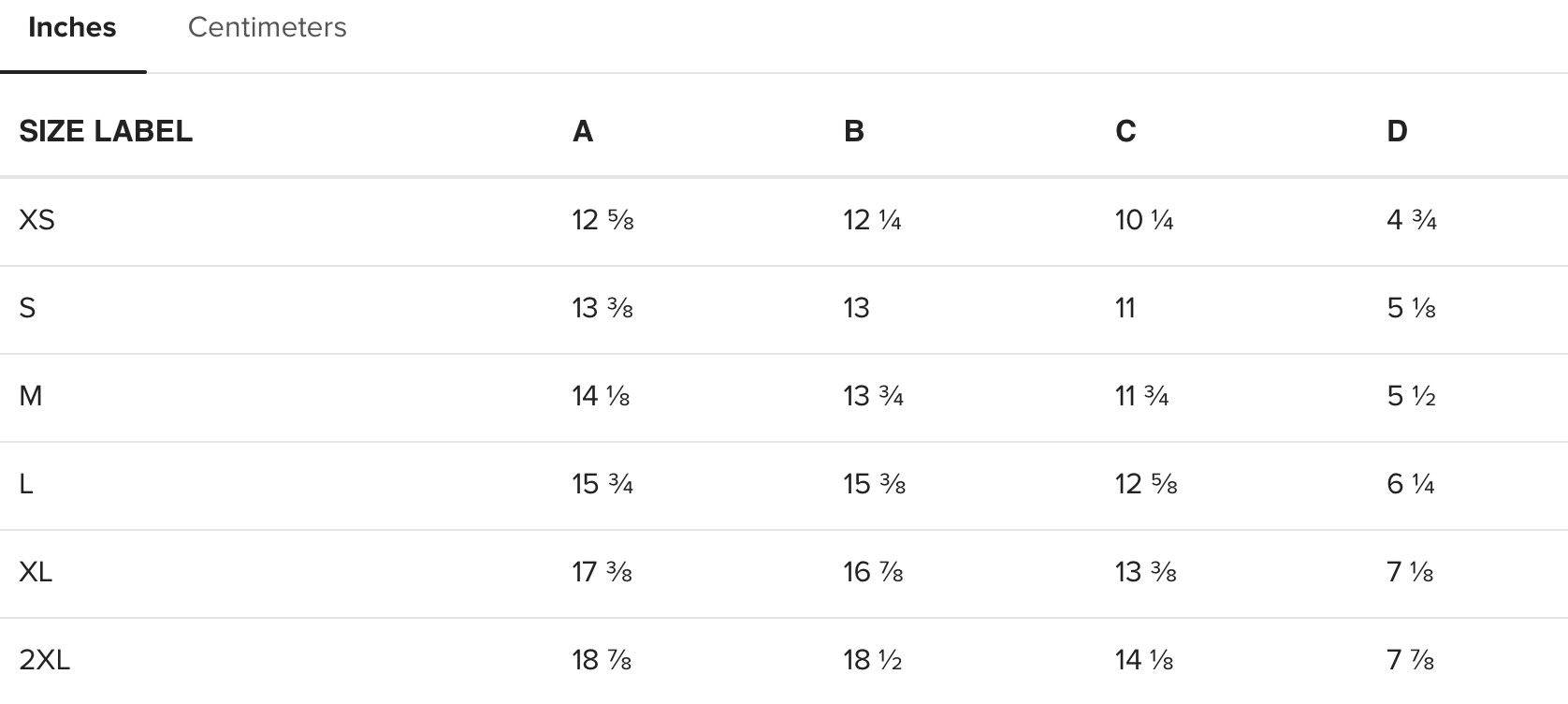
FIELDTIME sports bra with removable padding sizing guide 2
For the cups, your breasts should be completely covered, with no spillage over the top or sides. REI Co-op Jump up and down. Your breasts should feel locked in, not bouncing.
The Sister Size Secret
Here's something most women have never heard of: sister sizing. Sister sizing is a method for finding other bra sizes that could fit you, based on the principle that as band size changes, cup size also changes to accommodate a similar volume. If you go down in band size, you go up in cup size, and vice versa. SKIMS
This matters because if you're wearing a 34C and the cups fit but the band is too small, the instinct is to try a 36C — but that will result in cups that are too big, because a 36C's sister size is actually a 34D. The correct move is to try a 36B, which keeps the same cup volume with a roomier band. Thirdlove Most women have never been told this, which is why sizing up almost always leaves them frustrated.
Sister sizes are particularly useful when your exact size is unavailable, since they hold the same cup volume but offer different band fits. Berlei
Signs You're Wearing the Wrong Size Right Now
You don't need a fitting to know something is off. If your straps leave dents in your shoulders even after adjusting them, your band is likely too big and your straps are doing all the support work they shouldn't have to. Fleet Feet If your band rides up in the back during movement, it's too loose. If you're adjusting mid-workout — pulling straps, tugging the band, repositioning cups — the fit is wrong.
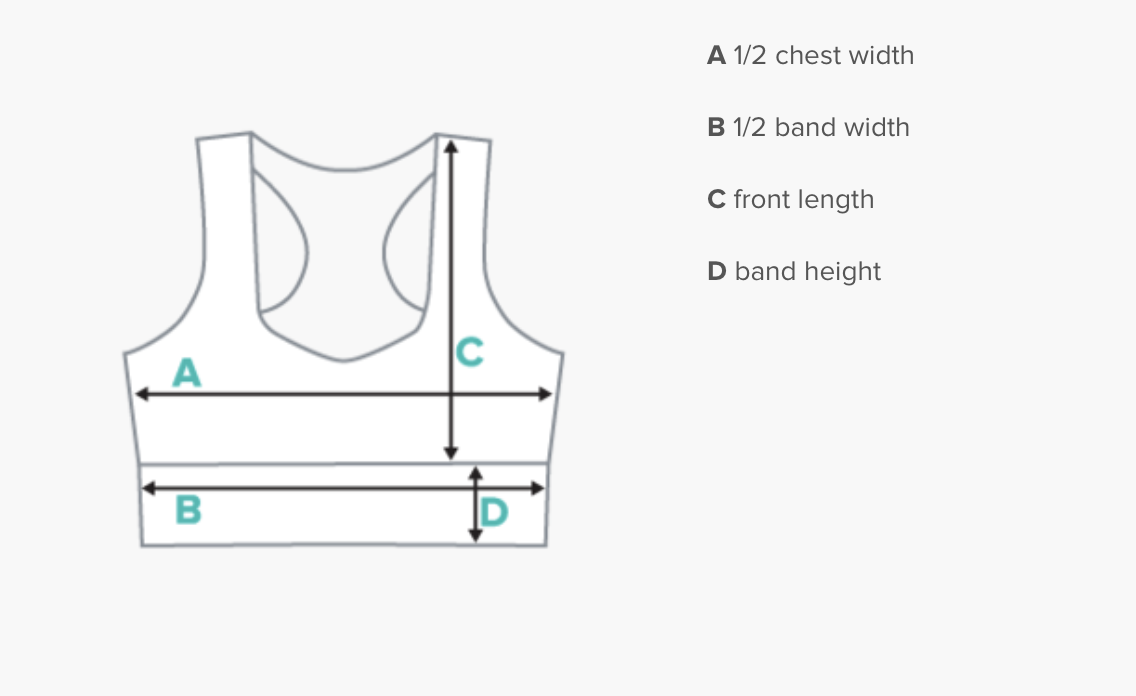
FIELDTIME Longline sports bra sizing guide 1
A sports bra, when new, should fit snugly on the loosest row of hooks, so that as the material stretches over time, you can tighten it and extend its life. Fleet Feet If you're already on the tightest hook with a new bra, you're starting in the wrong size.
Match Your Bra to Your Workout
Not every bra works for every activity. High-impact activities like running require maximum support to prevent excessive breast movement, while medium-impact workouts like strength training, pilates, and cycling call for moderate compression with wider straps and breathable materials. Low-impact activities like yoga and walking can get by with lighter compression and softer cups. Runners Need
Wearing a low-support bra through a high-impact session doesn't just feel bad — it causes real damage over time to the connective tissue that keeps your breasts supported naturally.
The Fieldtime Fit
This is exactly why Fieldtime built their sports bra with the full picture in mind — support, comfort, compression, and confidence working together, not trading off against each other. When world champion Kay Gentle tested the Fieldtime sports bra through strength training and boxing, she scored it a perfect five across every movement category and never had to adjust it once. That's not luck. That's what happens when a bra is engineered for how women actually train.
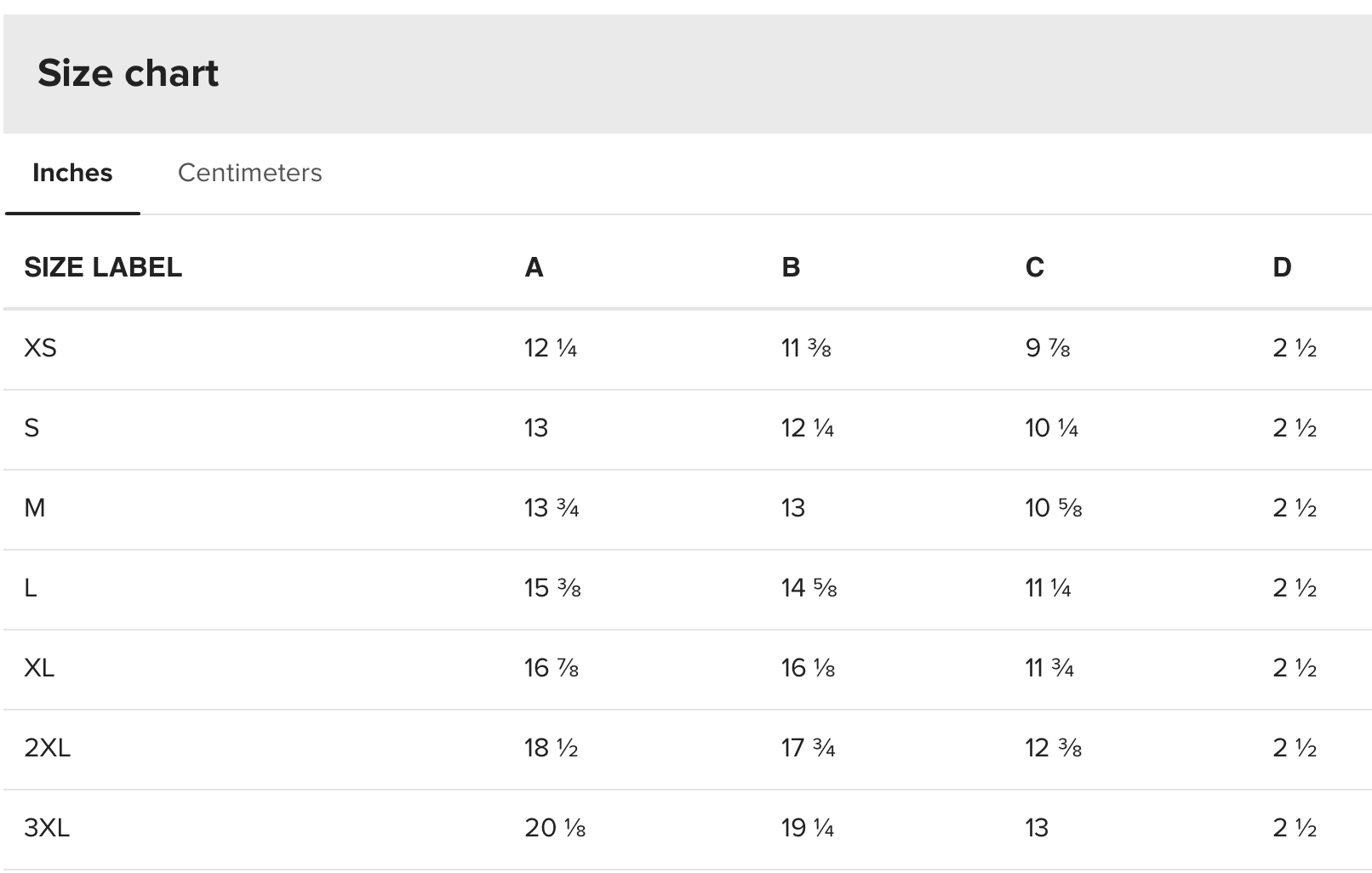
FIELDTIME Longline sports bra sizing guide 2
If you've never been properly fitted, now is the time. Measure yourself, learn your sister sizes, and stop settling for a bra that works against you. Your workout deserves better — and so does your body.
Shop the Fieldtime women's sports bra at fieldtime.store